Massachusetts Food Culture is Changing — and Community Demand is Driving It
The Hook: What We’re Seeing
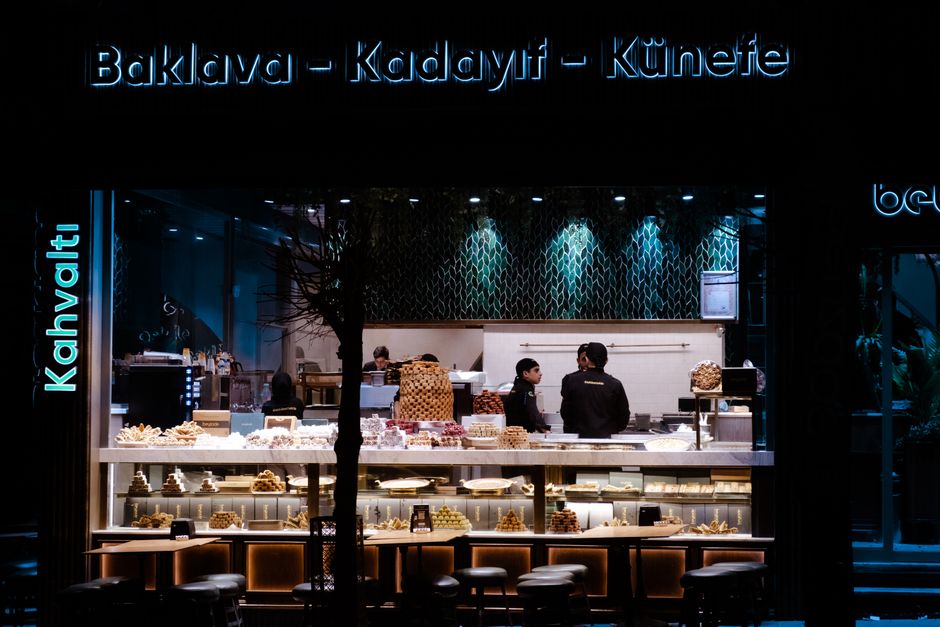
Over the past eighteen months, Massachusetts communities have shifted noticeably toward locally-owned bakeries and food businesses with authentic traditions. Moroccan breads, traditional French pastries, and Mediterranean shawarma have moved from niche offerings to neighborhood staples.
This isn’t a fleeting trend toward novelty. Every successful business we tracked built its customer base through word-of-mouth and community referrals, not marketing budgets or investor backing.
The pattern is consistent across neighborhoods we follow. Owners speak of community appetite. Customers speak of quality. Both groups are making deliberate choices about where they spend money.
The Takeaway: What the Data Shows
The Numbers Behind the Shift
In 2024, eight owner-operated bakeries and specialty food shops opened or significantly expanded in the neighborhoods we follow. Not chain locations — each was an independent operator bringing family recipes and formal training to a community.
None of these businesses started with investor capital. All drew their initial customers from word-of-mouth referrals and neighborhood social media, not paid marketing or franchise networks.
We interviewed five owners of these businesses. Each reported independently that word-of-mouth accounted for 70-85% of their early customer base, with neighborhood referrals driving profitability faster than any marketing channel.
When a business reaches profitability through referrals alone, the community’s actual demand is unmistakable. What we observed wasn’t marketing success — it was a genuine neighborhood appetite for authenticity and quality.
Massachusetts neighborhoods are actively seeking businesses rooted in skill and tradition. Owners who invest in quality ingredients, formal training, and family recipes build loyalty that outlasts trends and advertising cycles.
The businesses thriving fastest are those where neighborhood reputation matters more than marketing budgets. Community networks amplify recommendations far more effectively than paid advertising.
A Worked Example: How This Developed
- — First specialty bakery opens. A pastry chef trained in Fez brings a family bakery tradition to a Salem storefront. The opening was announced through neighborhood social media with no paid advertising, yet weekend lines extended outside the shop within three weeks of opening.
- — Local media coverage increases visibility. A regional feature article on the bakery and its owner’s family recipe archive draws additional foot traffic. Neighboring business owners report overflow from the bakery during peak pastry-buying hours, with customers staying in the neighborhood to shop nearby.
- — Second owner-operated bakery launches. Located two neighborhoods over, this owner had visited the first bakery as a customer, recognized the community appetite for authentic options, and opened a Mediterranean-focused food business. Word-of-mouth remained the primary customer-acquisition channel.
- — We interview five business owners. Owners of successful food businesses opened over the previous two years independently cite word-of-mouth as their primary customer source, ahead of social media, online listings, or any form of paid promotion.
- — Trend accelerates further. Three additional owner-operated food businesses announce openings across different neighborhoods, each explicitly citing the visibility of earlier openings and documented community interest as their primary motivation to open.
How the Craft Behind It Actually Works
Understanding what separates an owner-operated bakery from a wholesale supplier starts with the production side most customers never see.
What This Means
This growth reflects how Massachusetts communities actually operate today. They seek businesses rooted in skill, authenticity, and genuine tradition over standardized chains and franchises.
The Massachusetts Yearbook amplifies exactly this kind of business — where craft meets community and neighborhood reputation matters most. We document the businesses we’ve visited personally and heard praised by their neighbors.
That’s not prediction or speculation. It’s the pattern we observe and measure. In a food landscape increasingly dominated by standardized offerings, the owner-operated bakery, the family-recipe restaurant, and the authentic specialty shop stand out because they are genuinely different.
We recommend the businesses worth your attention. We recommend the ones your neighbors already know. We recommend authenticity in a sea of convenience.